In this guide, you’ll learn how to optimise your Shopify store’s meta titles, descriptions, on-page readability, and social sharing previews to improve visibility, traffic, and conversions.
Why Shopify SEO Matters
Search engine optimisation (SEO) isn’t just about ranking higher, it’s about attracting the right visitors and encouraging them to click through to your store.
Shopify includes built-in SEO fields across products, collections, pages and blog posts. This means you can control how your store appears in search engines directly from your admin dashboard.
Meta Titles & Descriptions: Your First Impression in Search
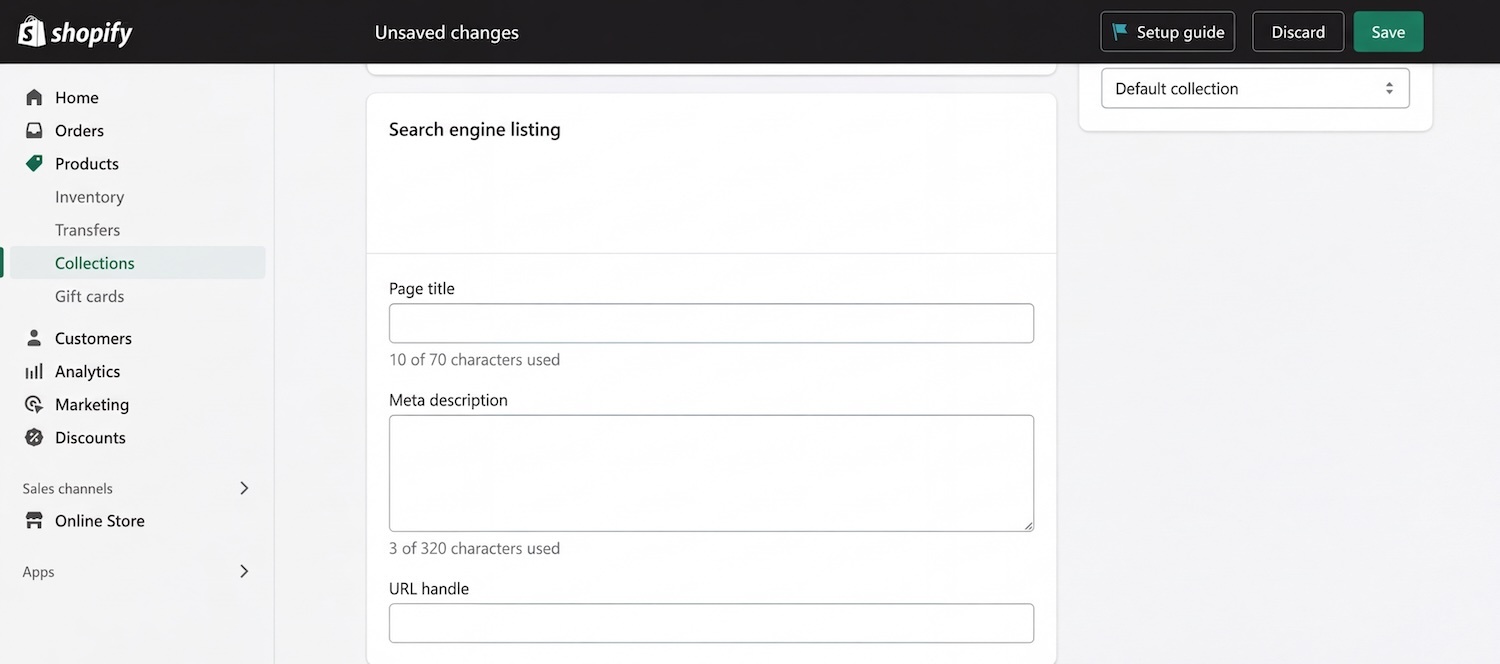
Your meta title and meta description are what users see in search results. Think of them as your digital storefront window. The Meta title becomes the clickable headline, whilst the Meta description becomes a short summary that convinces users to click.
You can edit these in Shopify under the “Search engine listing preview” section on each page.
Best Practice for Meta Titles
- Place your primary keyword near the beginning
- Keep it clear and natural
- Aim for 50 – 60 characters
- Include a benefit or differentiator
Example: Web Design Gold Coast | Shopify Store Design & SEO
Best Practice for Meta Descriptions
- Summarise the page in 1-2 sentences
- Include your main keyword naturally
- Highlight a benefit
- Add a call to action (e.g. Shop now, Learn more)
- Aim for 120-155 characters
Example: Web design Gold Coast specialists in high-performing Shopify stores. Fast, conversion-focused sites with SEO built in from day one.
Shopify provides a live preview, so you are able to adjust length and wording before publishing.
SEO Readability: Write for Humans First
Shopify doesn’t assign a readability score but that doesn’t mean readability isn’t important. In fact, it’s one of the biggest drivers of engagement and conversions. Well-written content keeps users on your site longer, which sends positive signals to search engines. To improve readability:
- Use simple, direct language
- Break content into clear sections with headings
- Keep paragraphs short and scannable
- Mix short and long sentences
- Use active voice for clarity and confidence
Common mistakes you should avoid include using overly complex or technical language, large blocks of text (especially on mobile) and keyword stuffing (repeating phrases unnaturally).
If you’re using SEO apps, treat their suggestions as guidelines not rules. Always prioritise natural and on brand writing.
Social Media Appearance: Control How Your Store Is Shared
When someone shares your store on social media, Shopify automatically generates a preview using your page’s metadata. By default the title becomes the social headline, the Meta description becomes the caption and the image is pulled from your page or theme settings. To optimise these social previews:
- Use a high quality on brand image
- Keep titles short, clear, and engaging
- Write descriptions that double as captions with a CTA
Image Best Practice by Page Type
- Homepage > Set a global image under Online Store > Preferences
- Product pages > Use your main product image
- Collections > Use a featured collection image
- Blog posts > Include a strong featured image
Some themes and page builder apps allow custom social previews. Use these to fine tune how your content appears across platforms.
If updates don’t appear immediately on platforms like Facebook, use tools like their Sharing Debugger to refresh the preview.
To Wrap it Up
Shopify SEO doesn’t have to be complicated. By focusing on strong meta titles and descriptions, clear, engaging content, and optimised social sharing previews you can significantly improve both your search visibility and click-through rates.
Start with your most important pages (products, collections, and homepage), and refine from there. Small improvements in how your store appears can lead to meaningful gains in traffic and sales.
Need help putting these changes into practice? Explore our SEO services.